• Hyderabad
  • info@ncvisas.com
  • +91 95055 15154
  • 040 4844 0555
NC Visas logo, immigration consultants in Hyderabad
NC Visas PVT. LTD

Canada Study Permit Cap 2026: PAL, Provincial Allocations and Exemptions

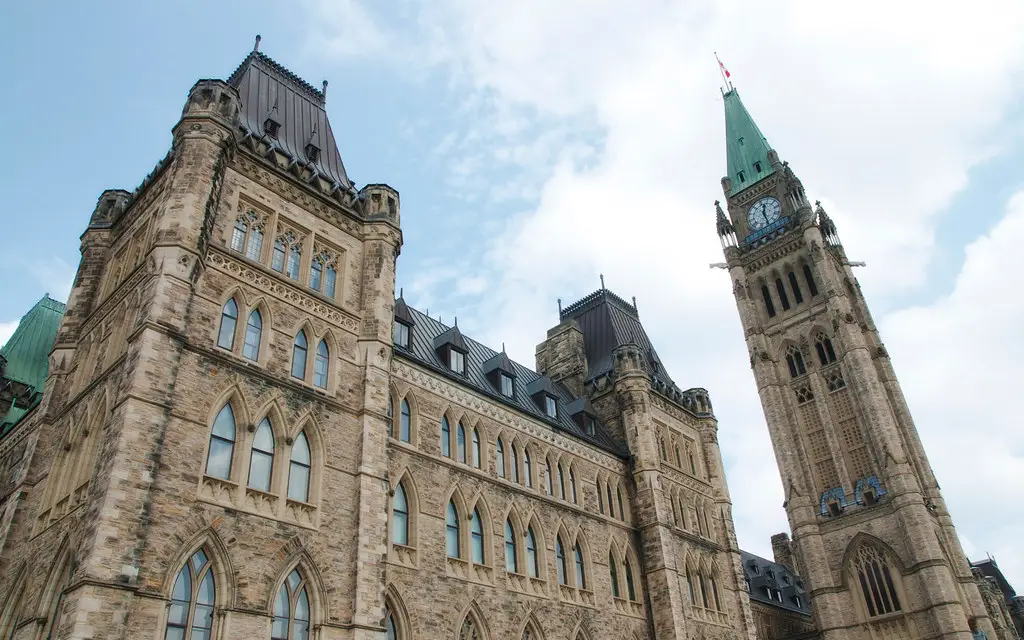
Parliament Hill in Ottawa - Canada study permit cap 2026 and PAL guide

The Canada study permit cap 2026 is lower again. Canada has capped the number of study permit applications it accepts since 2024. For an Indian student the practical questions are simple: do I need a provincial attestation letter (PAL), how many places does my province have, and which students are exempt? This guide answers them using the official IRCC notice and the PAL page.

Quick answer

  • IRCC expects to issue up to 408,000 study permits in 2026: 155,000 for new arrivals and 253,000 extensions for current and returning students. That is 7% below the 2025 target of 437,000.
  • Most new students need a provincial or territorial attestation letter (PAL/TAL) from the province where they will study. 309,670 application spaces are available under the cap for PAL-required students.
  • Since 1 January 2026, master’s and doctoral students at public DLIs do not need a PAL/TAL. School students (kindergarten to grade 12) are also exempt.
  • Students going to Quebec need a Quebec Acceptance Certificate (CAQ) instead of a PAL.
Parliament Hill in Ottawa - Canada study permit cap 2026 and PAL guide

The Canada study permit cap 2026 in numbers

2026 target (new arrivals and extensions)Study permits
Master’s and doctoral students at public DLIs (PAL/TAL-exempt)49,000
Primary and secondary school students (PAL/TAL-exempt)115,000
Other PAL/TAL-exempt applicants64,000
PAL/TAL-required applicants180,000
Total408,000

IRCC says the 180,000 target for PAL-required students is distributed to provinces and territories by population. Allocations for applications are higher than the permit targets because some applications are refused.

2026 allocation by province and territory

Province or territoryStudy permit target (PAL/TAL-required)Application allocation (PAL/TAL-required)
Ontario70,074104,780
Quebec39,47493,069
British Columbia24,78632,596
Alberta21,58232,271
Saskatchewan5,43611,349
Manitoba6,53411,196
Nova Scotia4,6808,480
New Brunswick3,7268,004
Newfoundland and Labrador2,3585,507
Prince Edward Island7741,376
Northwest Territories198785
Yukon198257
Nunavut1800
Total180,000309,670

What is a PAL/TAL?

A provincial attestation letter or territorial attestation letter is issued by the province or territory where you plan to study. It confirms you have been assigned one of the available spaces. You do not apply to the province yourself: contact your school (DLI) to find out how to get one, then submit it with your study permit application – not after.

Who does not need a PAL/TAL?

  • Master’s or doctoral students at a public DLI (from 1 January 2026).
  • Preschool, primary and secondary school (up to grade 12) students.
  • Students at schools in the Francophone Minority Communities Student Pilot, with the required letter of acceptance.
  • Certain priority groups, for example Global Affairs Canada scholarship holders and eligible exchange students who pay no tuition to the DLI.
  • Study permit holders applying for an extension at the same DLI and the same level of study.

IRCC’s online questionnaire on the PAL page confirms whether your own situation is exempt – use it before you apply.

How long is a PAL valid?

  • A PAL is linked to the school you apply to and, in most cases, must be used in the year it was issued.
  • For the 2026 cap year, a PAL is valid until 31 December 2026 (unless it shows an earlier date) if it was issued between 1 January and 31 December 2026.
  • It must be valid on the day you apply for your study permit; it does not need to be valid when you start classes.
  • You cannot apply with a PAL issued in a previous cap year.

When do you need a new PAL?

  • Your PAL has expired.
  • Your previous study permit application was approved or refused.
  • You are changing schools (required since 22 January 2025).
  • You are changing your level of study (in most cases).
  • You are extending your permit at a different DLI or level. Moving from a post-secondary program to a master’s or doctoral program at a public DLI does not need a new PAL.

Studying in Quebec?

Quebec uses its own attestation: instead of a PAL you need an attestation of issuance of your Quebec Acceptance Certificate (CAQ), issued by the Government of Quebec. Your school will tell you how to apply, and the CAQ must be valid and carry the required wording when IRCC receives your application.

What the cap means for Indian students

  1. Plan the PAL before the application. No PAL means no study permit application for most new students, so ask your school about it at the time of admission.
  2. Public master’s and doctoral programs avoid the PAL step and are not limited by the provincial allocation, but you still need a strong study permit application.
  3. Choose your province with the allocation table in mind. Smaller allocations mean fewer spaces to go around.
  4. Apply early and keep documents consistent – financial proof, admission letter and PAL must all match the school and program.
  5. Think about what comes next. Check PGWP rules and your language score before you choose a program.

Read our guide to the PGWP rules for 2026 (the language and field-of-study requirements affect which program you should pick), the explainer on study permit vs student visa and our study in Canada consultant page.

Why Canada has a study permit cap

IRCC says the international student cap, introduced in 2024, has been used to slow the growth of Canada’s temporary population: the number of study permit holders dropped from over 1 million in January 2024 to about 725,000 by September 2025. IRCC wants to keep reducing the share of temporary residents to below 5% of the population by the end of 2027, while still attracting top talent through the International Student Program.

YearStudy permit issuance target
2024485,000
2025437,000
2026408,000 (7% below 2025 and 16% below 2024)

Study permit application checklist

IRCC creates a personalised checklist when you start your application, but you can expect to prepare these basics:

  • A letter of acceptance from a designated learning institution (DLI).
  • Your PAL/TAL (or Quebec CAQ), unless your situation is exempt.
  • Proof of financial support.
  • A valid passport and the other documents IRCC asks for in your checklist.

Start with the school: the DLI tells you how to get your PAL, and the PAL is linked to that school.

Frequently asked questions

How many study permits will Canada issue in 2026?

IRCC expects to issue up to 408,000 study permits in 2026, including 155,000 for newly arriving students and 253,000 extensions for current and returning students.

Do master’s students need a PAL in 2026?

Not if they enrol in a master’s or doctoral program at a public designated learning institution. This exemption started on 1 January 2026.

Who issues the PAL and how do I get it?

The province or territory where you plan to study issues it. Contact your school (DLI) to find out how to apply, then submit the PAL with your study permit application.

Can I use my 2025 PAL for a 2026 study permit application?

No. You cannot apply with a PAL that was issued during a previous cap year. A 2026 PAL is valid until 31 December 2026.

Do I need a new PAL if I extend my study permit?

Not if you are extending at the same DLI and the same level of study. A new PAL is needed if you change schools or, in most cases, level of study.

Official sources

Facts on this page were checked against the official sources listed at the end on 6 October 2026. Immigration rules, fees and thresholds change often, so confirm the current figure on the official site before you apply.

Talk to NC Visas

Not sure whether your program needs a PAL, or which province gives you the best chance? Our Canada study consultants in Hyderabad will check it with you before you pay a deposit. Book a free consultation or call +91 95055 15154.

Nc Visas

This guide was prepared by the NC Visas editorial team in Hyderabad, drawing on the casework of our immigration specialists.

NC Visas is an immigration and visa consultancy based in Hyderabad, India, advising applicants on skilled migration, work permits, study visas and job seeker routes for Australia, Canada, Germany, the United Kingdom, the United States and the wider European Union.

Guides published under this byline are compiled from official government sources and from the questions our consultants are asked most often. Immigration rules change frequently: we state requirements as they stand at the time of writing and recommend confirming current criteria on the relevant government portal, or with our team, before you apply.

Get in Touch With Us

  • Official Recognition & Compliance
nc visas MQCI Verifiedregister MCA NC Visas best immigration consultants in HyderabadNc Visas ISO Certified
Accepted payment methods
©2026 NC Visas Pvt Ltd. All Rights Reserved.
Call us +91 95055 15154
